Climate Change
Why focus on Climate Action?
Rising temperatures, deteriorating air quality, erratic rainfall, and declining soil health are clear signs of increasing environmental stress, directly affecting ecosystems and rural livelihoods. In India, where over 50% of the population depends on agriculture, climate variability has made farming more uncertain, with frequent heatwaves, droughts, and floods impacting productivity and incomes.
Studies indicate that changing climate patterns could lead to significant yield declines in key crops such as paddy (up to 30%), alongside rising risks of water stress, soil degradation, and pest outbreaks. These challenges highlight the growing pressure on critical natural systems—air, water, soil, biodiversity, and climate—that sustain rural economies.
Recognising this, End Poverty (EP) has embedded climate resilience and environmental sustainability as a core part of its work. Its approach focuses on supporting farmers to adopt resource-efficient and climate-resilient practices through improved access to farm equipment, hands-on learning, and community-led action.
By integrating soil health management, water conservation, and sustainable agriculture practices, EP enables farmers to better adapt to climate risks while strengthening long-term productivity and livelihoods.
References
- ICAR – Climate Change Impact on Indian Agriculture
- IDR Online – Climate Change and Agriculture in India
- NITI Aayog & Government of India Reports
Join the Movement
If Climate Change seems close to your heart there are different ways you can contribute and support us in our projects
Projects on Climate Change
Building an Ecosystem for Sustainable Agriculture and Livelihoods through Stubble Management
Project Overview
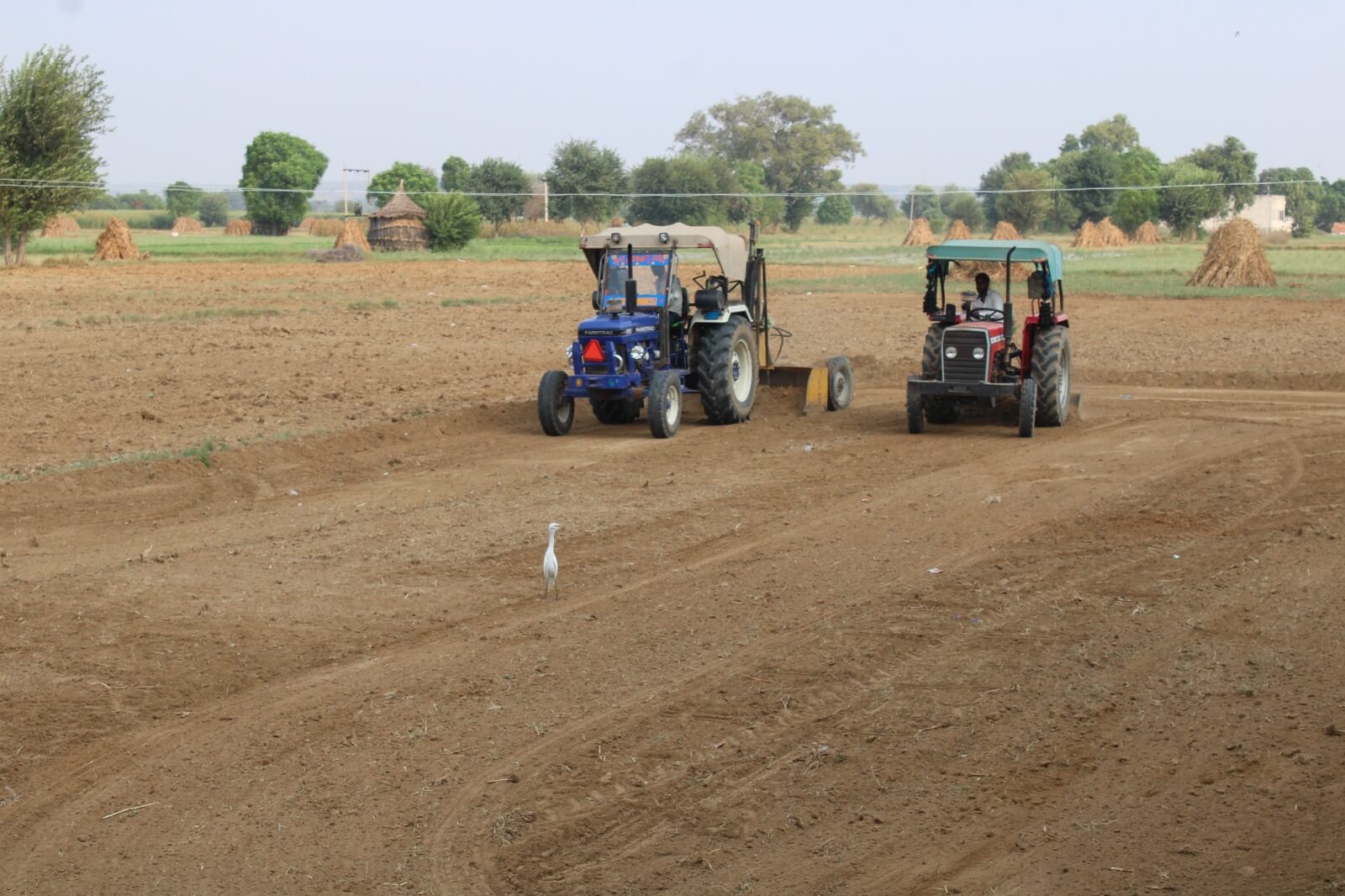
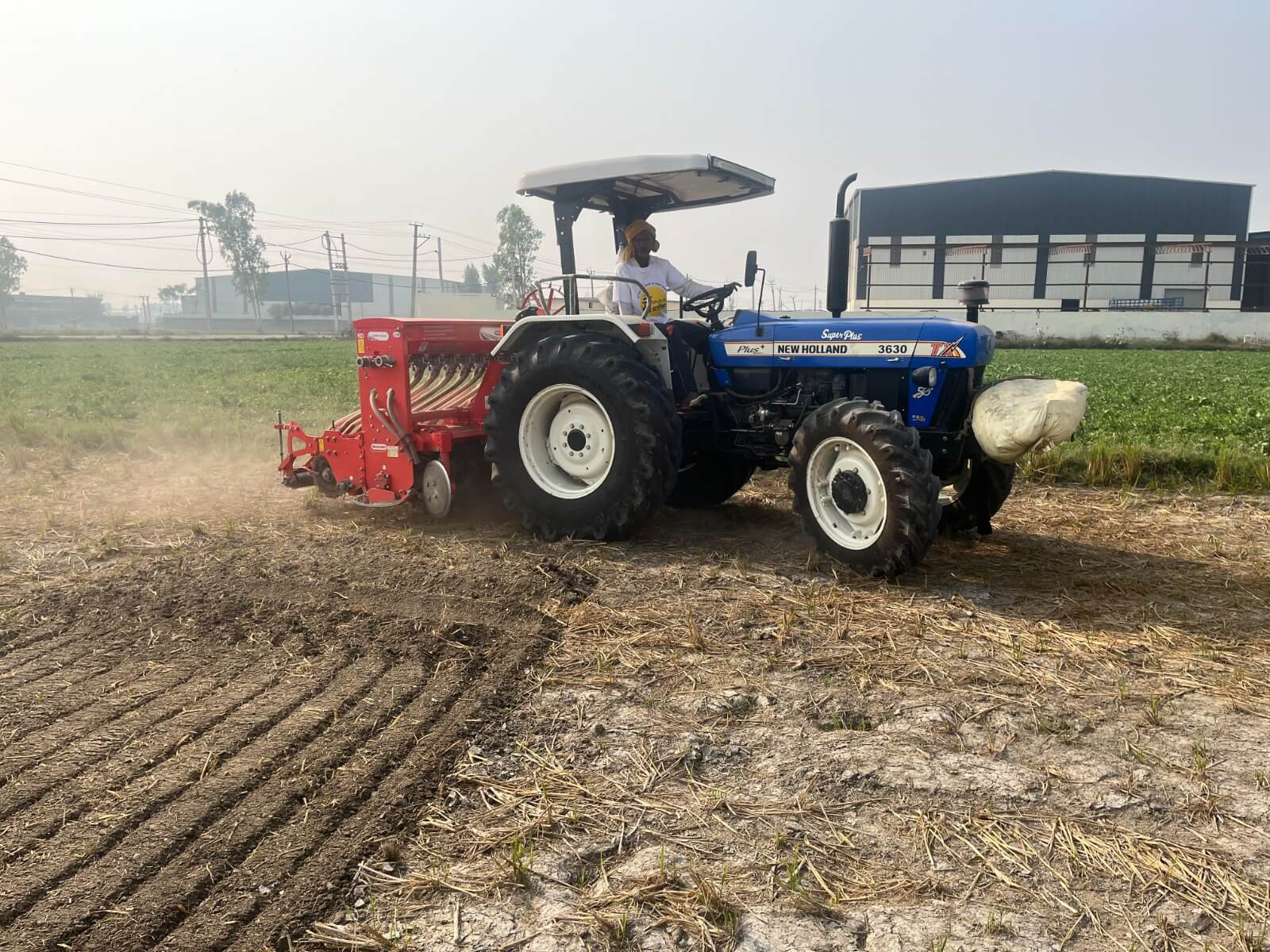
The project aims to eliminate crop residue burning while improving soil health and farmer incomes through sustainable stubble management practices. Implemented across 156 villages in Karnal and Kurukshetra, the initiative promotes in-situ and ex-situ residue management by enabling farmers to access CRM machinery through tool banks and custom hiring centres.
Through a combination of community engagement, capacity building, and digital tools like the KYS App, farmers are supported to adopt alternatives to burning. The programme integrates technology, awareness, and market-linked solutions to drive a shift towards climate-resilient and sustainable agriculture systems.
Impact Highlights (FY 2025–26)
- 156 villages covered through large-scale community engagement and interventions
- 26,087 door-to-door farmer interactions conducted to drive behavioural change
- 113 IEC events organized, including district-level engagement with 225 farmers and experts
- 229 farmers trained through 6 exposure visits, promoting enterprise-based stubble utilization
- 36,733 farmers registered on KYS App, with 33,651 actively accessing machinery services
- 203,990 acres of land managed through in-situ and ex-situ stubble management practices
- 9,454 acres covered under in-situ management, improving soil health and moisture retention
- 194,536 acres cleared through ex-situ solutions, enabling residue collection and reuse
- 1,873 tonnes of stubble collected and stored, creating opportunities for alternative usage
- Prevented 713,965 tonnes of CO₂ emissions, significantly reducing environmental impact
- 28,362 tonnes of organic matter added back to soil, improving fertility and long-term productivity
- 40 farmers supported for Direct Seeded Rice (DSR), promoting water-efficient and sustainable cropping
- Significant reduction in stubble burning incidents — Karnal: 35 to 9 fire locations; Kurukshetra: 38 to 4 fire locations

Mitigating Climate Change through Crop Residue Management (CRM) & Promotion of Regenerative Agriculture
Project Overview
The project focuses on reducing stubble burning and promoting climate-resilient agriculture through Crop Residue Management (CRM) and regenerative practices in Karnal district. It enables farmers to adopt sustainable alternatives to burning by improving access to machinery, building capacities, and strengthening local systems.
Through a combination of community engagement, training on CRM technologies, and improved access to machinery via Custom Hiring Centres, the initiative supports farmers in transitioning toward environment-friendly and economically viable agricultural practices.
Impact Highlights (FY 2025–26)
- 1,780 farmers reached, adopting sustainable crop residue management practices
- Reduction in active fire locations across 25 villages, indicating a strong shift away from stubble burning
- Increased adoption of in-situ and ex-situ CRM technologies, enabling sustainable residue management
- CRM machinery deployed and operationalized, improving access for small and marginal farmers
- Strengthened farmer capacity through training and awareness on sustainable agriculture practices
- Improved soil health, moisture retention, and reduced dependency on chemical inputs through regenerative practices
- Observable behavioural shift among farmers, with increased awareness and adoption of non-burning alternatives
Gram Swavalamban – Climate Resilient Agriculture Initiative
Project Overview
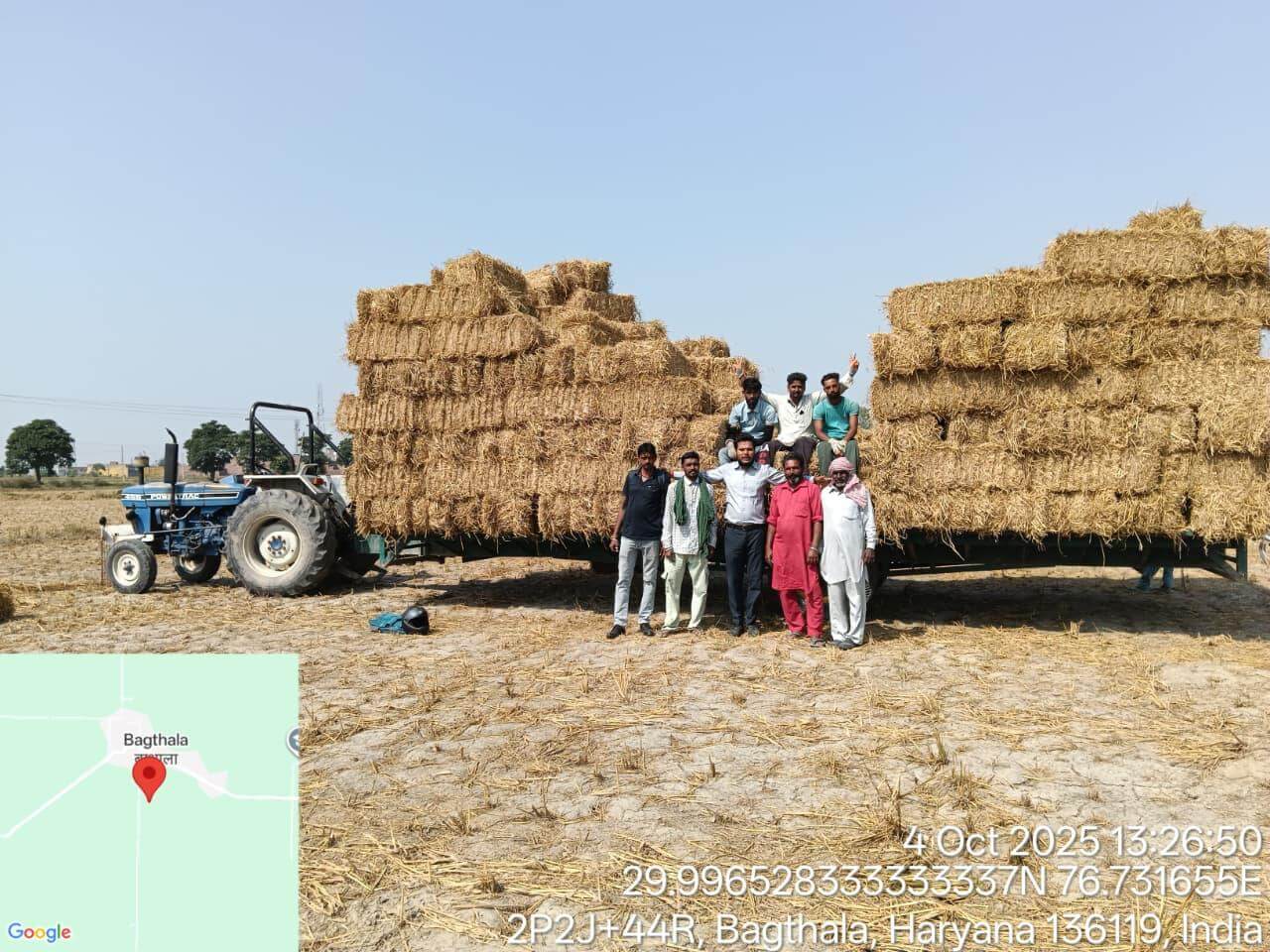
Gram Swavalamban is a climate-resilient agriculture initiative aimed at improving soil health, water efficiency, and farmer incomes through sustainable farming practices. Implemented across villages in the Chopanki region, the project focuses on enabling farmers to adopt scientific, resource-efficient, and environmentally sustainable agricultural systems.
The programme integrates land and water management, organic farming, input support, and farmer capacity building, helping farmers transition from traditional practices to climate-resilient and productivity-enhancing agriculture models.
Impact Highlights (FY 2025–26)
- Farmers supported with climate-resilient agriculture interventions across project villages
- 107+ acres of land improved through laser land levelling and farm bunding, enhancing irrigation efficiency and reducing runoff
- Up to 25% reduction in water usage, significantly improving irrigation efficiency across villages
- Improved land uniformity (slope reduced from up to 2.63% to as low as 0.045%), enabling better water distribution and crop growth
- Phase-wise agricultural input support (Kharif & Rabi) improved crop health, nutrient uptake, and yield performance
- 55 Village Development Committee (VDC) meetings and 4 expert-led farmer trainings conducted, strengthening farmer capacity and adoption of scientific practices
- Borewell revival increased water discharge from 15 LPM to 57 LPM, significantly improving water availability and irrigation reliability
- 31.9 lakh litres of groundwater recharged, strengthening long-term water security
- Spillover impact: nearby defunct borewells revived, extending benefits beyond direct beneficiaries
- 58 vermicompost units operational, producing organic manure and reducing dependency on chemical fertilizers
- Improved soil health, moisture retention, and crop productivity through adoption of organic inputs and regenerative practices