Sustainable Agriculture
Why focus on Sustainable Agriculture Development?
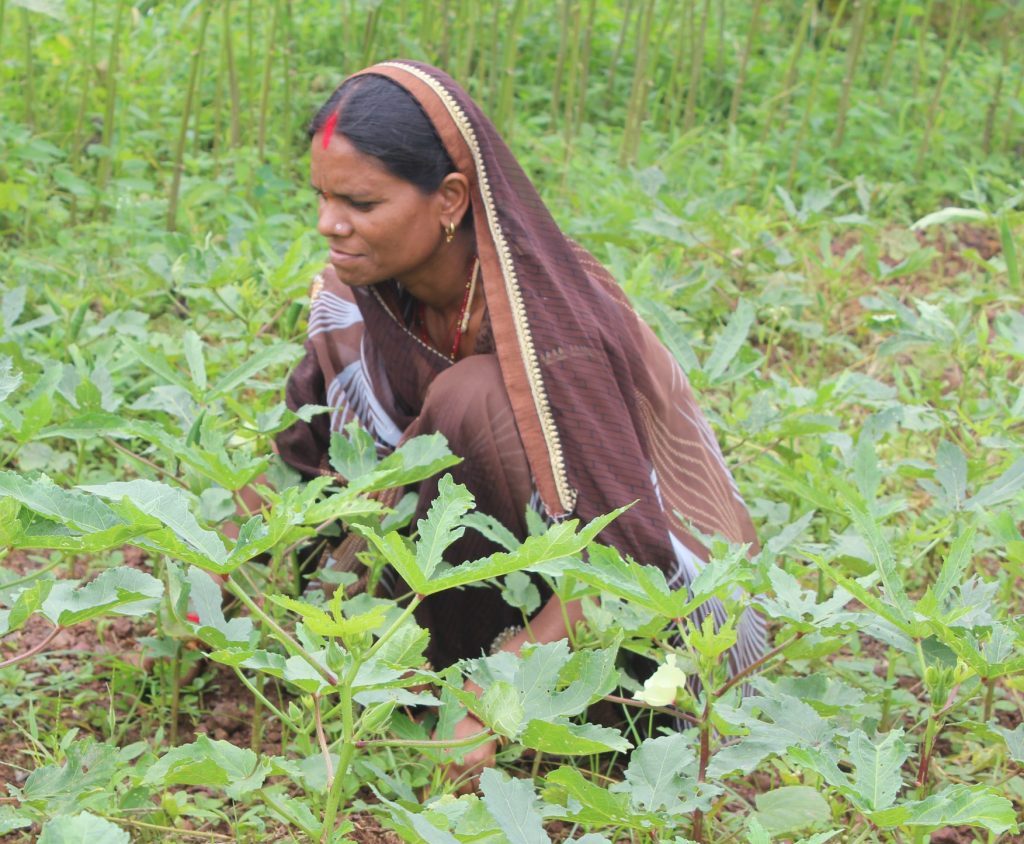
Farmers today are facing growing pressure from climate change, rising input costs, and degradation of natural resources. Supporting farmers in a way that they have a sustainable stream of income through farming. In this space, End Poverty (EP) works alongside farming communities, helping them try adoption of scientific and climate-friendly practices.
The work encourages small but meaningful shifts—such as crop diversification, Promotion of horticulture farming, reducing chemical use in Agriculture and promotion of Natural farming, Soil health management, Water resource management and Post harvest management of their produce.
Impact on the ground is visible through scale and change in practice. EP has worked with 16,500 farmers across 125 villages in five states. More than 600 vermicompost pits are now producing about 300 tonnes of organic compost each year, helping improve soil health. 455 farmers have started practising organic farming, 3,000 farmers have setup kitchen garden for healthier food at home, and solar, micro irrigation systems and Land levelling are helping farmers use water more efficiently. Together, these steps show how adoption of modern & scientific methods are improving farm productivity.
Villages Covered
People Impacted
Join the Movement
If that topic seems close to your heart there are different ways you can contribute and support us in our projects
Our Projects On Sustainable Agriculture
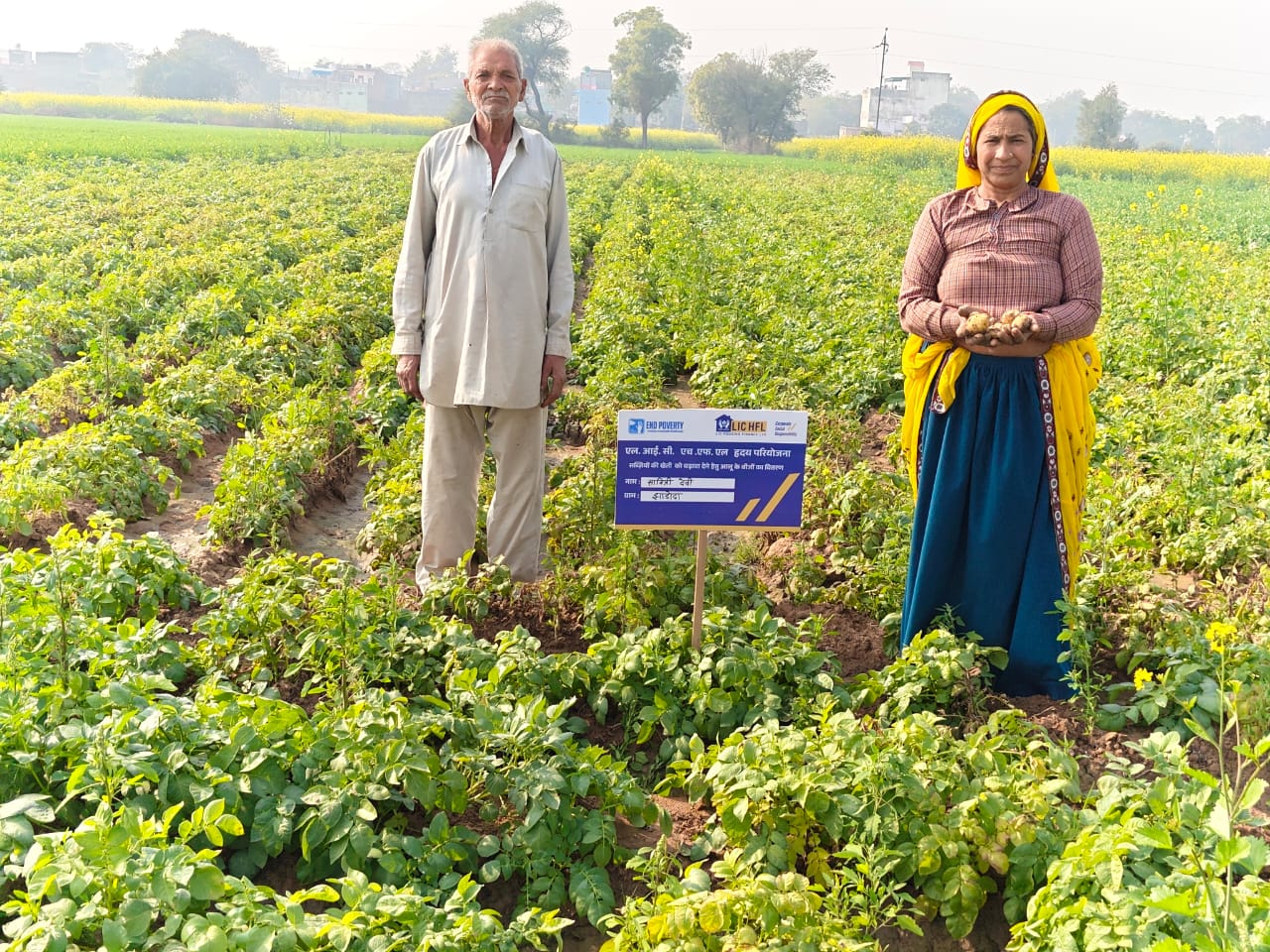
HRIDAY – LIC Housing Finance Ltd. (Rewari, Haryana)
Under LIC HFL HRIDAY's holistic rural development initiative, sustainable agriculture is a key focus area. Several modern and scientific farming interventions have been introduced to support farmers and improve agricultural outcomes. These include fruit and vegetable cultivation across 14.25 acres, adoption of vermi-composting by 30 farmers, support for land levelling for many farmers, and the distribution of high-quality mustard seeds to 100 farmers to enhance crop yield.
In addition, 12 farmer groups were formed across six villages, providing farmers with a common platform to learn, share knowledge, and support one another, while encouraging collective growth and long-term sustainability in agriculture.
Gram Swalambhan – United Breweries Ltd. (Chopanki, Khairthal-Tijara)
The Gram Swalambhan Project, supported by United Breweries Ltd., is being implemented across four villages of Khairthal-Tijara district. The project focuses on strengthening agriculture through close engagement with farmers and practical, field-level support.
As part of the initiative, 75 farmers received training on soil and water conservation and nutrient management, guided by soil test results that helped them plan crops better and use inputs more efficiently. Key interventions such as land laser levelling and bunding were carried out on 54.09 acres, improving water use efficiency and soil moisture retention. To encourage organic nutrient management, 32 vermicompost pits were established, supporting better soil health while reducing reliance on external inputs.
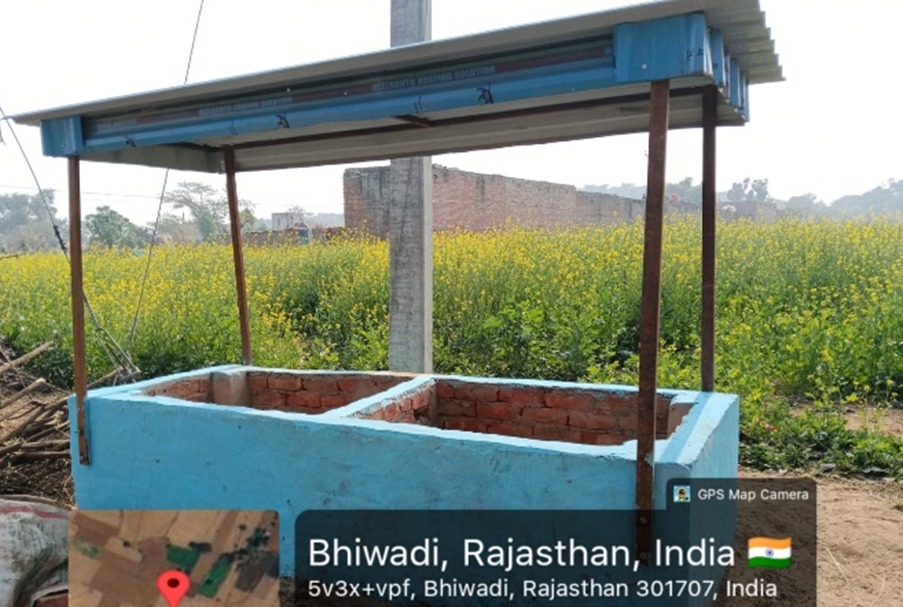
In addition, 75 farmers received seasonal input support during both cropping seasons. The project also revived a non-functional borewell in Chopanki, restoring an important community water source and contributing to a noticeable improvement in the local groundwater level.
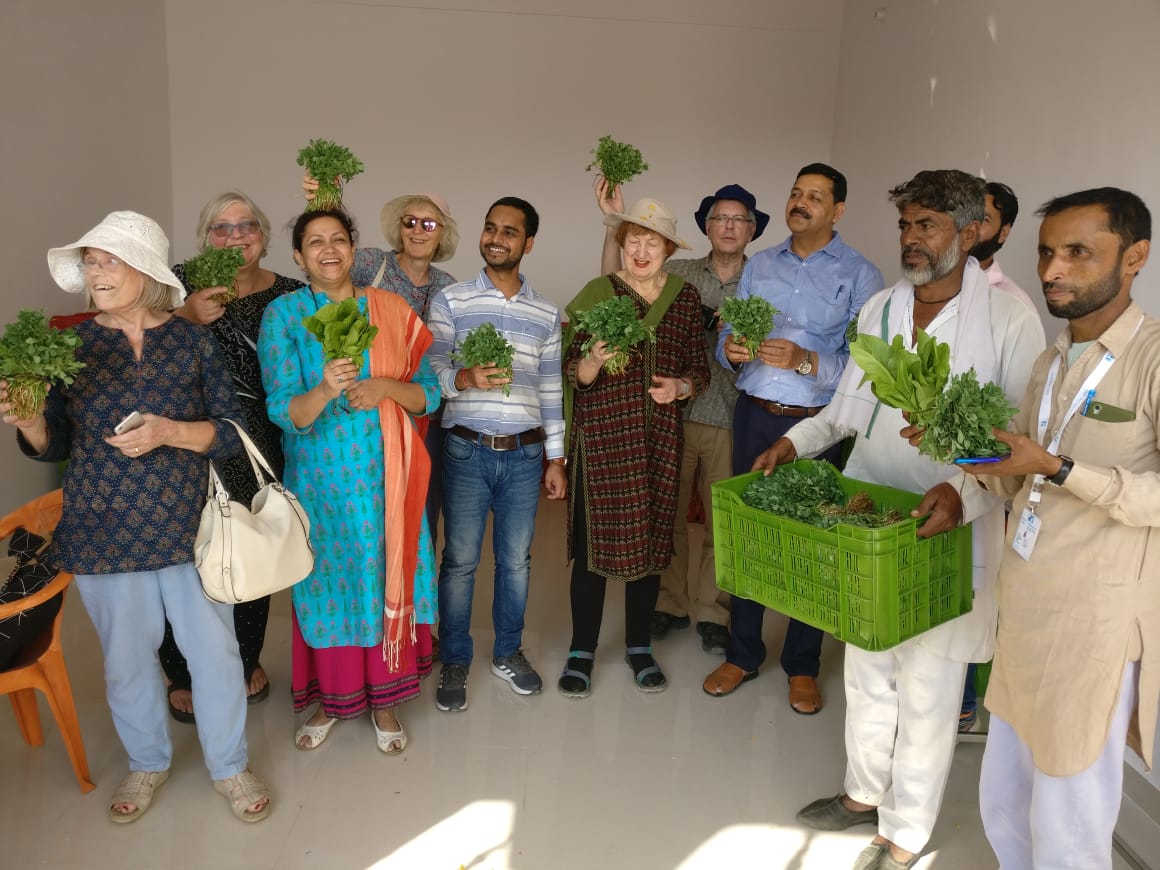
Tijara Fruits and Vegetable Cluster – MSME (Alwar, Rajasthan)
End poverty is working in Tapukara block of Khairthal–Tijara district with around 781 farmers from 40 villages. To strengthen farmer incomes and to provide market access, End Poverty has promoted a Farmer Producer Organisation (FPO) named DAPCL, supported under the SFURTI scheme of MSME. The FPO has a membership base of 680 farmers.
To help farmers reach consumers directly and receive better prices for their produce, four DAPCL outlets were set up in Tapukara. Through these outlets and through bulk sale, fruits and vegetables procured from member farmers were sold, generating total revenue of ₹1.5 lakhs.
Alongside market support, strong focus was placed on capacity building. 400 farmers were trained in fruit and vegetable cultivation, covering topics such as crop practices, soil health, pest and disease control, post-harvest handling, and market linkages. In addition, 200 farmers received high-quality seeds, while 80 farmers were provided with horticulture saplings such as guava, citrus fruits, lemon, and pomegranate. We also organized 24 awareness camps on fruit and vegetable cultivation to encourage wider adoption of fruit & vegetable cultivation.