Rural Development
Why focus on Rural Development?
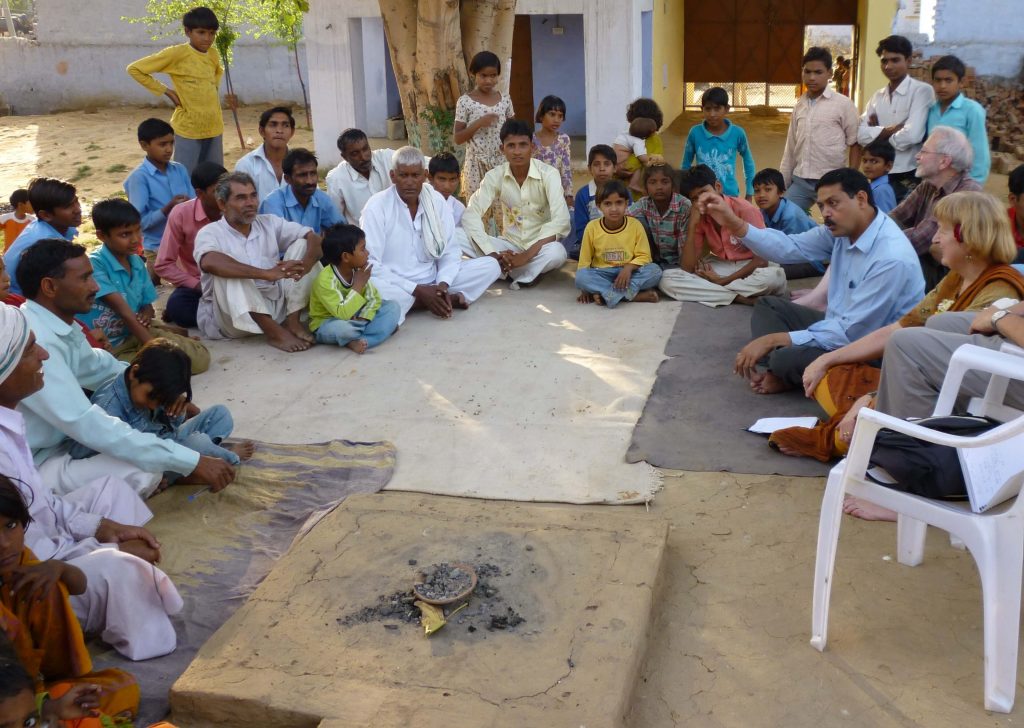
Rural India still lacks basic infrastructure like good roads, proper schools, sanitation, and reliable connectivity. These gaps don’t just stay on paper — they affect daily life in very real ways. Getting to school becomes harder, accessing services takes time, and earning opportunities remain limited. Over time, this pushes many families to move out in search of better options elsewhere.
This is where End Poverty tries to step in, working closely with communities to address these issues in a more practical, grounded way. The focus is on strengthening the whole village system — improving infrastructure, making essential services more accessible, and creating conditions where people can actually grow and move forward.
A lot of the work has gone into things that directly impact daily life — better road connectivity, access to clean energy, and improving spaces like schools and Anganwadi centres so they are safer and more usable.
It’s not an overnight change, but with consistent, community-led efforts, villages are slowly becoming more connected and better equipped. People have easier access to services, more opportunities around them, and a slightly more stable and dignified way of living.
Villages covered
People impacted
Join the Movement
If Rural Development seems close to your heart there are different ways you can contribute and support us in our projects
Current Projects on Rural Development
Gram Uday – Transforming Villages for a Better Future
Project Overview
Gram Uday is a holistic rural development initiative aimed at transforming villages through an integrated approach covering Natural Resource Management, Agriculture, Education, and Rural Development. Initiated in December 2025 across 25 villages in Guna district, the project focuses on improving quality of life, strengthening livelihoods, and promoting sustainable infrastructure.
The programme emphasizes community-led development, with Village Development Committees (VDCs) established across all villages to ensure participatory planning, local ownership, and long-term sustainability. Through a mix of renewable energy solutions, agricultural interventions, and infrastructure development, the project is building resilient and self-sustaining rural ecosystems.
Impact Highlights (FY 2025–26)
- 25 villages covered under integrated rural development approach
- Village Development Committees (VDCs) formed in all villages, strengthening decentralized governance and community ownership
- 250 solar streetlights installed, benefiting 31,214 people, improving safety and mobility
- Solar power systems installed in 25 schools, benefiting 1,522 students with uninterrupted learning
- 8,760 fruit saplings planted across 15 villages, promoting long-term horticulture-based livelihoods
- 180 farmers supported with plantation inputs, improving soil fertility
- Vegetable seeds distributed to 120 farmers across 10 villages, enabling additional income and nutrition
- 20 solar irrigation pumps installed across 12 villages, benefiting 100+ farmers — a high-value, long-term asset intervention enabling assured year-round irrigation, reducing recurring input costs, improving cropping intensity and productivity, and strengthening climate-resilient, sustainable agriculture systems
HRIDAY – Holistic Rural Initiative for Development Action and Yield
Project Overview
LIC HFL HRIDAY is an integrated rural development initiative aimed at transforming 6 villages in Nahar Block, Rewari district by addressing key challenges related to livelihoods, education, healthcare, and infrastructure. The project focuses on building self-sustainable communities through a combination of agriculture interventions, skill development, institutional strengthening, and basic infrastructure improvements.
Through strong community engagement and participatory planning, the initiative promotes sustainable livelihoods, improved service access, and local leadership, ensuring long-term impact and ownership at the village level.
Impact Highlights (FY 2025–26)
- 6 villages covered, reaching 4,000–4,500 beneficiaries across Nahar Block
- Village Development Committees (VDCs) formed and strengthened across all villages, enabling decentralized governance and community participation
- 222 acres of land levelled, benefiting 120+ farmers, improving irrigation efficiency and agricultural productivity
- 45+ vermicompost units established, promoting organic farming and reducing dependency on chemical fertilizers
- 48 Azolla units supported, providing low-cost, protein-rich cattle feed and reducing fodder expenses by up to 30–40%
- Smart classrooms established in 4 government schools, enhancing digital learning and education quality
- 30 solar streetlights installed, improving safety, mobility, and access to public spaces
- 2 solar panel systems installed in schools (5KW), ensuring reliable and sustainable energy for education infrastructure
- Orchard farming promoted among 30 farmers, supporting long-term income diversification and sustainable agriculture
- Extensive community engagement and planning conducted, including beneficiary identification (4,000 households) and village-level consultations, laying a strong foundation for long-term development

Farm Productivity Enhancement
Project Overview
The horticulture promotion initiative in Rewari was designed to strengthen sustainable and climate-resilient livelihoods by encouraging farmers to adopt horticulture-based farming systems. The programme focused on improving income diversification, efficient resource use, and environmental sustainability, particularly in the context of increasing climate variability.
Through a combination of community engagement, capacity building, and input support, the initiative enabled farmers to transition toward more resilient agricultural practices. Emphasis was placed not only on providing quality saplings, but also on equipping farmers with the knowledge required to manage crops effectively and sustainably over the long term.
Impact Highlights
- 1,200 saplings distributed to farmers, promoting long-term income through horticulture crops
- 75 farmers trained on climate-resilient horticulture practices, including crop diversification and water management
- 10 community meetings conducted, strengthening awareness, participation, and collective action
- Improved adoption of sustainable farming practices, including Integrated Pest Management (IPM) and soil health management
- Basal treatment support using neem khali and compost enhanced plant survival, soil fertility, and pest resistance
- Strengthened farmer capacity to adopt climate-resilient agriculture, reducing dependency on traditional cropping systems
- Increased potential for income diversification and long-term livelihood sustainability
- Enhanced community ownership and participation, supporting sustained adoption of horticulture practices
Water ATM Installation Initiative
Project Overview
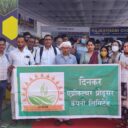
The Water ATM initiative aims to improve access to safe and potable drinking water in rural communities by establishing decentralized, reliable water dispensing systems. Implemented by End Poverty with support from PNB Housing Finance Ltd., the project focuses on strengthening basic infrastructure and public health outcomes in underserved villages.
The initiative combines infrastructure development with community engagement, ensuring that systems are not only installed but also understood, accepted, and sustainably managed at the local level. Currently, installations have been completed across selected villages, with the project transitioning into the final stage of operationalisation.
Impact Highlights
- Water ATM units installed across 4 villages – Jharoda, Gujarwas, Gadhi, and Nehrugar
- Complete setup of filtration systems, storage, and dispensing infrastructure, ensuring readiness for safe water supply
- Civil works and electrical infrastructure completed at all sites
- Community mobilisation and awareness activities conducted, preparing households for usage and adoption
- Local stakeholders oriented on benefits, usage, and management of Water ATMs
- Project ready for final testing, water source integration, and commissioning
- Laying the foundation for improved access to safe drinking water, better health outcomes, and reduced dependency on unsafe sources